Modern buildings need to look good while staying safe, strong, and useful. Many people wonder how designers create spaces that last for years. Understanding what architectural engineering is helps explain this process. It combines design knowledge with engineering skills to improve building safety, energy use, and daily comfort. This field plays an important role in modern construction projects.
Now let’s see how architectural engineering supports better buildings. This guide explains the engineering process, structural systems, MEP coordination, and sustainable design methods. You will also learn about career paths, useful software, and how this field improves building performance. These ideas can help students and professionals understand modern construction better.
Exploring the Core Purpose of Architectural Engineering
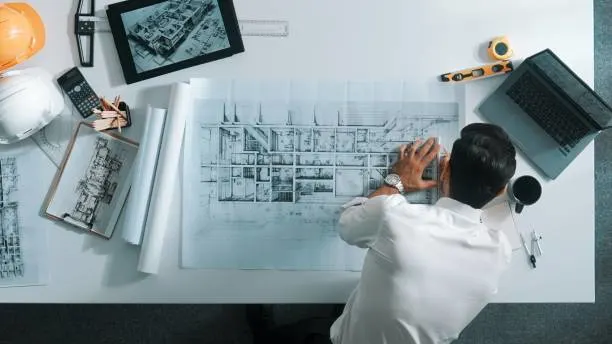
Architectural engineering combines engineering knowledge with building design to create safe and practical spaces. The architectural engineering definition explains how this field supports the planning and construction of homes, offices, schools, and other buildings. It focuses on making structures strong, comfortable, and ready for daily use while meeting modern construction needs. Many architectural design services follow these engineering principles to deliver functional and efficient buildings.
Building engineering supports architectural ideas by making sure every part of a building works properly. Engineers plan the structure, mechanical systems, electrical systems, and plumbing before construction begins. They also improve safety, energy use, and long-term performance.
Why Modern Buildings Depend on Engineering Expertise
Modern buildings must be safe, comfortable, and able to serve people for many years. Building design engineering helps achieve these goals by combining planning with technical knowledge. Engineers make sure every system works correctly before construction begins. This process reduces risks and improves the quality of the finished building.
Construction engineering brings different building systems together during every stage of a project. Structural parts, heating, cooling, lighting, and water systems must all work as one. Sustainable building systems also help reduce energy use and support long-term performance. You might notice this in homes, hospitals, schools, and office buildings where comfort and safety depend on careful engineering. The same planning approach is valuable in property development services that focus on creating reliable and long-lasting projects.
Understanding Every System That Keeps Buildings Functional
Modern buildings depend on more than strong walls and roofs. Several engineering systems work together to keep every space safe and comfortable. These systems improve daily use, save energy, and support long-term performance. Building engineering combines each part into one complete design.
Structural Systems That Support Every Building
Structural systems in buildings carry the weight of the structure and keep it stable. Engineers perform structural analysis to understand how loads move through the building. They also plan strong foundations that support the structure and reduce the risk of damage over time.
Mechanical Systems That Control Indoor Comfort
Mechanical systems keep indoor spaces comfortable throughout the year. HVAC systems provide heating and cooling based on weather conditions. Ventilation brings fresh air inside and removes stale air. Good climate control helps create healthy and pleasant spaces for people.
Electrical Networks That Power Modern Spaces
Electrical systems provide power for lighting, equipment, and daily activities. Engineers design safe wiring that supports building needs. Backup power systems keep important services running during power outages. These systems help buildings stay safe and functional.
Plumbing Systems That Support Daily Operations
Plumbing systems deliver clean water and remove wastewater safely. Engineers plan water supply lines and drainage systems for reliable performance. Efficient plumbing reduces water waste and supports daily activities. MEP engineering brings plumbing together with mechanical and electrical systems for a complete building design.
Following the Complete Building Design Engineering Process
Every successful building project follows a clear engineering process. Each stage helps improve safety, quality, and long-term performance. Careful planning also reduces mistakes during construction.
Understanding Client Requirements and Site Evaluation
Engineers begin by learning the project goals and studying the building site. They review land conditions, space needs, and local limits. This step helps create a plan that matches the project requirements.
Developing Engineering Concepts and Initial Layouts
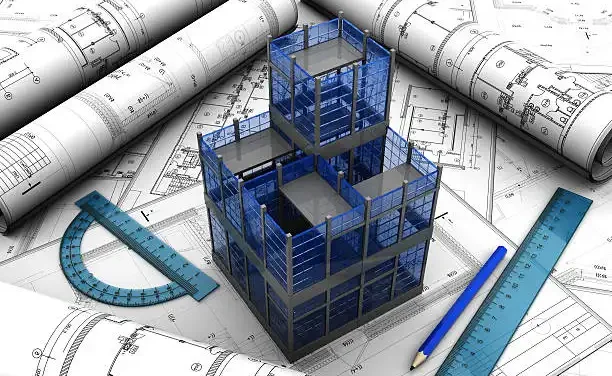
The next step is creating early layouts and engineering concepts. Engineers decide how the building will function and where major systems will be placed. These plans guide the rest of the project.
Performing Structural Analysis and System Planning
Engineers perform structural analysis to make sure the building can support expected loads. They also plan the main building systems for safety and reliable operation. This stage creates a strong base for construction engineering.
Coordinating MEP Engineering With Building Design
MEP engineering brings mechanical, electrical, and plumbing systems together. Engineers coordinate these systems so they fit the building without conflicts. Good planning improves safety and building performance.
Reviewing Building Codes Before Construction
Before work begins, engineers review building codes and project plans. They make sure the design follows safety rules and local requirements. This step helps avoid delays and costly changes later.
Supporting Construction Through Project Completion
Engineers continue working during construction to answer questions and review progress. They help solve problems and confirm that work follows the approved plans. Construction management supports the project until the building is complete and ready for use.
Comparing Architecture and Engineering Responsibilities Clearly
Architecture and architectural engineering work together but have different roles. Architects focus on the appearance, layout, and use of a building. Engineers make sure the design is safe, practical, and ready for construction. Understanding the architectural engineering definition helps people choose the right service for a project or career.
| Responsibility | Architecture | Architectural Engineering |
| Primary Focus | Building appearance and space planning | Building performance and safety |
| Design | Creates layouts and visual concepts | Develops technical building systems |
| Structural Planning | Works with engineering input | Plans structural strength and stability |
| Building Systems | Includes system locations in the design | Designs mechanical, electrical, and plumbing systems |
| Construction Support | Reviews the design during construction | Solves technical issues and supports building engineering |
| Typical Deliverables | Building plans and design drawings | Engineering calculations, system layouts, and architectural engineering services plans |
Both fields are important for successful construction projects. Architects create the vision while engineers make sure the building performs safely and efficiently throughout its life.
Choosing Building Materials for Stronger Structures
Selecting the right building materials is an important part of every construction project. Engineers choose materials based on strength, weather resistance, safety, and long-term performance. They also consider project costs and maintenance needs. Good material choices help create buildings that remain safe and reliable for many years.
You might notice that different buildings use different materials for different reasons. Steel is often used for tall buildings because it provides strong support. Concrete works well for foundations and heavy structures. Wood is common in many homes because it is easy to use and cost-effective. Sustainable construction also encourages materials that reduce waste and improve energy use while supporting building safety. Working with experienced construction contractors helps ensure these materials are selected and used correctly.
How Sustainable Engineering Improves Building Performance

Sustainable engineering helps buildings use fewer resources while providing safe and comfortable spaces. Sustainable building systems are designed to reduce energy use, save water, and improve indoor conditions. Engineers plan these features early in the project so the building performs well for many years.
Energy efficiency lowers power use and reduces daily operating costs. Better insulation, efficient lighting, and modern heating and cooling systems help save energy without reducing comfort. Sustainable construction also reduces waste and supports the responsible use of building materials. You might notice these features in homes, offices, schools, and hospitals where long-term performance is an important goal.
Building Codes and Safety Requirements
Building codes protect people and improve the quality of construction. They provide clear rules that engineers and builders must follow from planning to project completion. Here are the main requirements that support safe and reliable buildings.
- Follow local building codes before construction begins.
- Complete structural reviews to improve building safety.
- Meet fire safety and emergency exit requirements.
- Install safe electrical and plumbing systems.
- Use approved building materials for the project.
- Perform regular inspections during construction.
- Check that all work matches the approved drawings.
- Confirm accessibility requirements where required.
- Test important building systems before occupancy.
- Maintain proper records for future inspections and compliance.
Career Paths Available After Studying This Engineering Field
An architectural engineering degree can lead to many career options in the construction and design world. Graduates can work in different industries based on their skills and interests. Now, let’s see some common career paths available after studying this field.
Architectural Engineering Consultant
Consultants provide technical advice for building projects. They review designs, suggest solutions, and help improve building performance. Many consultants work with companies that offer architectural engineering services.
Construction Engineer
Construction engineers help manage building projects from planning to completion. They work with teams to check quality, solve site problems, and support safe construction work.
Building Design Engineer
Building design engineers create technical plans for structures and systems. They focus on making buildings safe, useful, and efficient while working with architects and other experts.
Infrastructure Engineer
Infrastructure engineers work on large projects like bridges, public buildings, and transport facilities. They help plan strong structures that support communities and long-term needs.
Project Manager
Project managers guide construction teams and track project progress. They handle planning, scheduling, and coordination to keep work moving smoothly.
Sustainability Specialist
Sustainability specialists focus on energy-saving designs and eco-friendly building methods. They help create projects that support sustainable construction goals.
Skills That Help Future Engineers Build Better Projects
Successful architectural engineers need more than technical knowledge. They also need good communication and teamwork skills. These abilities help them solve problems and manage real projects. A strong mix of skills supports growth in an architectural engineering career.
Technical Skills Every Future Engineer Should Develop
Future engineers should learn skills like structural analysis, building systems, and design software. Knowledge of construction engineering helps them understand how projects move from plans to finished structures. A strong foundation from an architectural engineering degree helps students handle technical tasks with confidence.
Professional Skills That Improve Project Success
Good communication helps engineers work with architects, builders, and clients. Problem-solving and teamwork are also important during complex projects. Time management helps complete tasks on schedule. These professional skills support better results in architectural engineering services and daily project work. Understanding contractor hiring tips can also improve collaboration by helping project owners choose qualified professionals.
Common Design Challenges Engineers Must Solve Early
Every building project comes with planning challenges that need early attention. Engineers study possible problems before construction starts. This helps reduce delays, control costs, and improve results.
Budget Control
Managing project costs is a major challenge during design. Engineers choose suitable materials and systems that meet goals without exceeding the budget. Careful planning helps reduce waste and supports better construction management. The same approach can also support practical home improvement solutions by balancing quality, performance, and cost.
System Coordination
Different building systems must work together without problems. Engineers coordinate structural, electrical, and mechanical plans to avoid conflicts. Good building engineering helps create smooth designs before construction begins.
Safety Planning
Engineers focus on building safety from the early design stage. They review structures, materials, and systems to reduce risks. Proper planning helps buildings stay strong and safe for future users.
Project Scheduling
Delays can affect the entire construction process. Engineers create clear plans and work with teams to keep tasks organized. Good scheduling helps complete projects on time and improves overall project control.
Mistakes to Avoid During Engineering Design Planning
- Ignoring building codes during planning can create safety issues and cause project delays.
- Skipping proper structural analysis may lead to weak designs and future repair needs.
- Poor communication between teams can create design conflicts during construction.
- Choosing materials without proper review can affect building strength and performance.
- Failing to consider future maintenance can increase long-term costs.
- Rushing the design process may cause mistakes that affect project quality.
- Not checking site conditions can create problems during construction work.
- Avoiding detailed planning in building design and engineering can lead to budget and schedule issues.
- Missing coordination between systems can affect the performance of architectural engineering projects.
- Not reviewing safety needs early can create risks for building users.
Future Innovations Changing Building Engineering Today
New technologies are changing how buildings are planned, built, and managed. Engineers now use smarter tools to improve safety, comfort, and energy use. These changes are creating new ways to design buildings that perform better and support future needs. AL-Harmain Assosiates follows these modern approaches to support efficient planning and high-quality construction solutions.
Smart Buildings and Digital Engineering Solutions
Smart buildings use sensors and digital tools to control lighting, temperature, and energy use. These systems help improve comfort and reduce waste. Sustainable building systems now include smart features that support better energy efficiency. Digital models also help engineers plan projects with fewer mistakes.
Artificial Intelligence in Future Construction Projects
Artificial intelligence is helping engineers study data and improve project decisions. AI tools can help predict problems, manage resources, and support better planning. Modern building engineering uses these solutions to improve design quality and construction speed. These changes may create safer and more efficient buildings in the future.
Frequently Asked Questions About Architectural Engineering
Architectural engineering involves more than creating attractive buildings. Many readers have questions about education, careers, and real project work. These answers explain common topics and help readers understand this field better.
Yes, architectural engineers work on homes, offices, schools, hospitals, and large commercial buildings.
Beginners can learn tools like BIM software, CAD programs, and design tools used in building projects.
Yes, it includes systems like HVAC, electrical systems, plumbing, and other building functions.
Certifications in BIM, project management, and energy design can help improve career growth.
BIM creates digital building models that improve planning and teamwork and reduce design mistakes.