A project can face major problems when the wrong contractor is hired. Delays and unpaid work can create stress and extra costs. That is why project owners look for added protection before work begins. Many people ask, “What is a surety bond for contractors?” when they first review a contract. The answer helps explain trust and financial security in the building process.
A bond helps show that a contractor plans to meet project terms. It gives project owners more confidence before work starts. You might notice that bonded contractors often meet certain standards. Now let’s see how these agreements work and why they matter. This guide explains project protection in simple terms. It also covers common rules and key facts that every owner should know.
Process of Contractor Bonding and Project Safety
Construction projects can face many risks from the start. Missed deadlines, poor work, and payment disputes can lead to major losses. A property owner may spend months fixing problems after hiring the wrong team. Many people ask what a surety bond for contractors is when looking for protection. The answer is simple. It is a financial guarantee that helps reduce risk and supports project trust from day one.

A bonded builder gives owners added confidence before work begins. In one case, a school project stalled after a contractor left the job unfinished. The bond helped cover costs and supported project completion. This shows how surety bonds protect construction project owners in real situations. These safeguards play a key role in project success, and the next sections explain how they work in greater detail.
Understanding Contractor Bonds for Construction Work
A contractor bond is a form of financial protection used in building projects. These agreements help project owners if a contractor does not meet contract terms. A bonded contractor has support from a bond company, while a non-bonded contractor may not offer the same level of security. This can be important when large amounts of money are involved. A contractor surety bond helps create confidence before work begins and during project completion, particularly in modern architecture solutions projects.
A simple example is a commercial office build. If a bonded builder fails to finish the job, the bond may help cover certain losses. Without that protection, the owner could face added costs and delays. Many bonding requirements for contractors exist to protect clients and improve accountability. This is why bonds are common on public projects and larger private developments.
Types of Contractor Bonds
Bid Bond
A bid bond helps confirm that a contractor submits a serious and honest bid. It shows the contractor is willing and able to take the project if selected. If a bidder backs out after winning the contract, the project owner may receive protection through the bond.
Performance Bond
A performance bond helps ensure the project is completed according to the contract. If the contractor leaves the job unfinished or fails to meet agreed standards, the bond may help cover the cost of completion. This type of protection is often used on major building projects.
Payment Bond
A payment bond helps protect workers, suppliers, and subcontractors. It helps ensure they receive payment for labor and materials. If payments are not made as promised, the bond can provide financial support and reduce disputes during the project.
Why Bonding Matters
Construction bonds help build trust between contractors and project owners. They provide a layer of legal and financial protection before work starts. Owners gain more confidence when hiring a bonded professional. Contractors also benefit because bonding can show reliability and financial responsibility. These protections help projects stay on track and reduce risks for everyone involved, making them valuable for custom design solutions projects.
Why Surety Bonds Matter in the Contractor Selection Guide
Hiring a contractor involves more than comparing prices. Project owners also need confidence that the work will be completed as agreed. A contractor surety bond helps provide that confidence by adding financial protection. During a home renovation, an owner may face extra costs if a builder leaves the project unfinished. Bonded professionals offer an added layer of security when unexpected problems arise.
Large projects often carry even greater risks. A commercial property owner may invest thousands of dollars before construction is complete. This is why many bonding requirements for contractors exist on public and private jobs. People who ask what a surety bond for contractors is are often looking for ways to reduce risk. Bonding supports better hiring decisions and helps protect both project funds and project goals.
Insurance vs Surety Bond: Differences Explained Simply
Many people think insurance and bonds provide the same protection. That is a common mistake. Insurance protects the person or company that buys the policy. A contractor surety bond protects the project owner when contract terms are not met. Understanding this difference helps owners make better choices before hiring a contractor or starting a building project.

Consider a simple situation. A worker damages property during a renovation. Insurance may help cover that loss. Now imagine a contractor abandons the project before completion. In that case, a bond may help protect the owner from financial harm. This is one reason construction bonds are often required on larger projects. The difference between insurance and a surety bond for contractors becomes clear when you look at who receives the protection, especially when working with project execution experts.
| Feature | Insurance | Surety Bond |
| Main Purpose | Covers covered losses and damages | Guarantees contract obligations |
| Protected Party | Policy holder | Project owner or client |
| Common Use | Property damage and accidents | Project completion and compliance |
| Example | Storm damage repair claim | Contractor fails to finish work |
| Financial Focus | Risk transfer | Performance guarantee |
Bonding Approval Process Steps for Contractors Guide
Getting approved for a bond follows a clear process. Bond providers review the contractor and the project before making a decision. This review helps reduce risk and supports project protection. Understanding the steps can help contractors prepare documents early and avoid delays during the approval process.
Step 1: Submission of Request
The process starts with an application. The contractor provides business details, project information, and financial records. These details help the bond provider understand the scope of work and determine whether the request meets basic bonding requirements for contractors.
Step 2: Insurance Verification
Next, the provider reviews insurance coverage and related records. This step helps confirm that the contractor carries proper protection for business operations. Risk factors such as claims history and project size may also be reviewed during this stage.
Step 3: Detailed Project Review
The provider then examines the contractor’s experience, financial strength, and project history. They also review the planned work and contract terms. For example, a contractor applying for a large office project may need to provide proof of successful past projects of a similar size.
Step 4: Approval or Denial Decision
After the review is complete, an underwriter makes a decision. The request may be approved, denied, or sent back for more information. This evaluation helps determine whether issuing a contractor surety bond is appropriate for the level of project risk, particularly in aesthetic building design projects.
Step 5: Final Notification
Once a decision is made, the contractor receives formal notice. If approved, the bond is issued and can be submitted to the project owner. This final step allows work to move forward with the required protection in place.
Common Approval Delays and Fixes
Missing Documents
Incomplete records can slow the review process. Submit all requested forms at the start.
Weak Financial Records
Outdated financial statements may raise concerns. Provide current and accurate information.
Limited Project Experience
Large projects often require proof of past success. Share completed work that matches the project size.
Application Errors
Incorrect details can delay approval. Review all information before submission.Addressing these issues early can improve approval speed and help contractors meet project deadlines with fewer complications.
License Bond Requirements and Legal Compliance Guide
A license bond for contractors helps show that a business follows local laws and industry rules. Many states and cities require this bond before a contractor can legally operate. A homeowner hiring a kitchen remodeler often checks for proper licensing and bonding because it adds trust and reduces risk. Without the required bond, a contractor may face fines, license suspension, or loss of project opportunities.
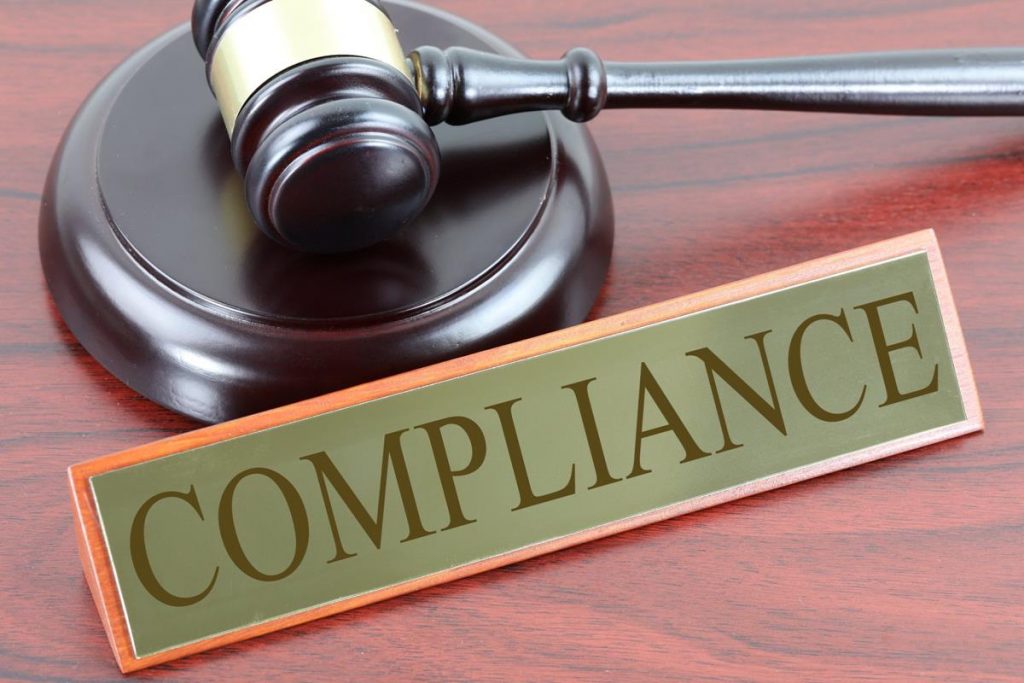
- Maintain an active contractor license at all times.
- Meet local and state bonding requirements for contractors before starting work.
- Renew bond coverage before the expiration date.
- Follow building codes and permit regulations.
- Complete projects according to contract terms.
- Use accurate business and financial information when applying for bonds.
- Resolve customer complaints in a timely manner.
- Keep records of contracts, permits, and project documents.
- Pay subcontractors and suppliers as agreed.
- Stay compliant with rules tied to public projects and construction bonds.
A practical example is a contractor bidding on a city building project. If the required bond is missing, the bid may be rejected before review. Meeting compliance standards helps contractors qualify for more work while giving clients greater confidence in the hiring decision.
Evaluating Contractor Bond Strength Before Hiring Tips
Checking bond status before hiring can prevent costly mistakes later. A valid contractor surety bond shows added financial backing and helps project owners choose contractors with greater confidence and accountability, especially for modern home design projects.
Tips to Verify Bond Strength and Contractor Reliability
Ask for a copy of the current bond certificate.
Confirm the bond is active with the issuing company.
Check whether the bond amount matches project requirements.
Review the contractor’s license status and business records.
Verify compliance with local bonding requirements for contractors.
Look for completed projects similar to your own.
Request references from recent clients and project owners.
Search for unresolved complaints or legal disputes.
Confirm that the contractor has experience handling projects of the same size.
Review payment history with suppliers and subcontractors when possible.
Risk Protection Benefits
- Helps reduce financial losses if contract terms are not met.
- Provides added protection when large project funds are involved.
- Supports project completion if a contractor fails to perform.
- Creates greater confidence during contractor selection.
- Strengthens accountability throughout the project lifecycle.
A homeowner planning a major addition may prefer a bonded contractor over a lower-priced competitor. The added protection can help reduce future risks and unexpected costs.
Owner Security Advantages
Offers protection against contractor default.
Helps safeguard project investments and budgets.
Supports faster resolution of certain contract issues.
Adds trust between project owners and contractors.
Improves confidence when hiring for large developments.
Many public projects require construction bonds because they provide an extra layer of protection for owners, taxpayers, and project stakeholders.
How Surety Bonds Protect Project Owners and Builders
Building projects often involve large budgets and strict deadlines. When work stops unexpectedly, the financial impact can be serious. Many people ask what a surety bond for contractors is because they want protection before problems occur. A bond helps create accountability by supporting contract obligations. This added safeguard can reduce stress for owners while helping qualified builders gain trust and secure new project opportunities that contribute to home value improvement.
Protection becomes important when a project does not go as planned. In one case, a retail store renovation stalled after the builder closed operations midway through construction. Bond coverage helped fund project completion and reduced the owner’s financial loss. Similar protections offered through construction bonds and other project guarantees help both parties manage risk. A contractor surety bond supports confidence and keeps projects moving even during unexpected challenges.
Choosing Contractors With Proper Bonding Requirements Guide
Selecting a contractor should involve more than comparing prices and timelines. A surety bond for a contractor can help reveal whether a company meets important financial and professional standards. A homeowner choosing between two remodeling firms may find that the bonded company offers greater protection if project issues arise. This added security can make the hiring decision easier and reduce concerns about future risks.
Careful verification is important before signing any contract. Review licenses, project history references, and required coverage documents. Many public and private projects have specific bonding requirements for contractors that must be met before work begins. Protection offered through construction bonds can help limit financial losses and support project completion. Comparing qualifications instead of focusing only on cost often leads to stronger long-term results and fewer unexpected problems.
Final Thoughts on Contractor Surety Bond Protection
A contractor surety bond gives project owners a clear safety layer during building work. It helps reduce loss when contracts are not followed. Many people still ask, “What is a surety bond for contractors?” and the simple answer is protection against unfinished or poor work. It also supports trust between owners and contractors in every project stage, a principle valued by Al Harmain.
Before hiring, always check bonding details and past work history. This step helps avoid costly mistakes and delays. Construction bonds play a key role in keeping projects stable and legally secure. When owners understand bonding rules, they make safer choices and reduce financial risk. Careful verification leads to better results and stronger project confidence in the long run.
Frequently Asked Questions About Contractor Bonds Guide
A surety bond is a financial guarantee tied to a contract or legal requirement. Contractors often need it to qualify for projects and build client trust.
Yes. Homeowners can request bond documents before hiring a contractor. Verifying bond status helps reduce project risks and supports informed decisions.
No. A bond does not guarantee flawless work. It provides protection if certain contract obligations are not met or required terms are violated.
The contractor usually pays for the bond. The cost depends on factors such as financial history, project size, and bond type.
Some projects allow it while others do not. Public contracts and many larger jobs often require bonding before work can begin.